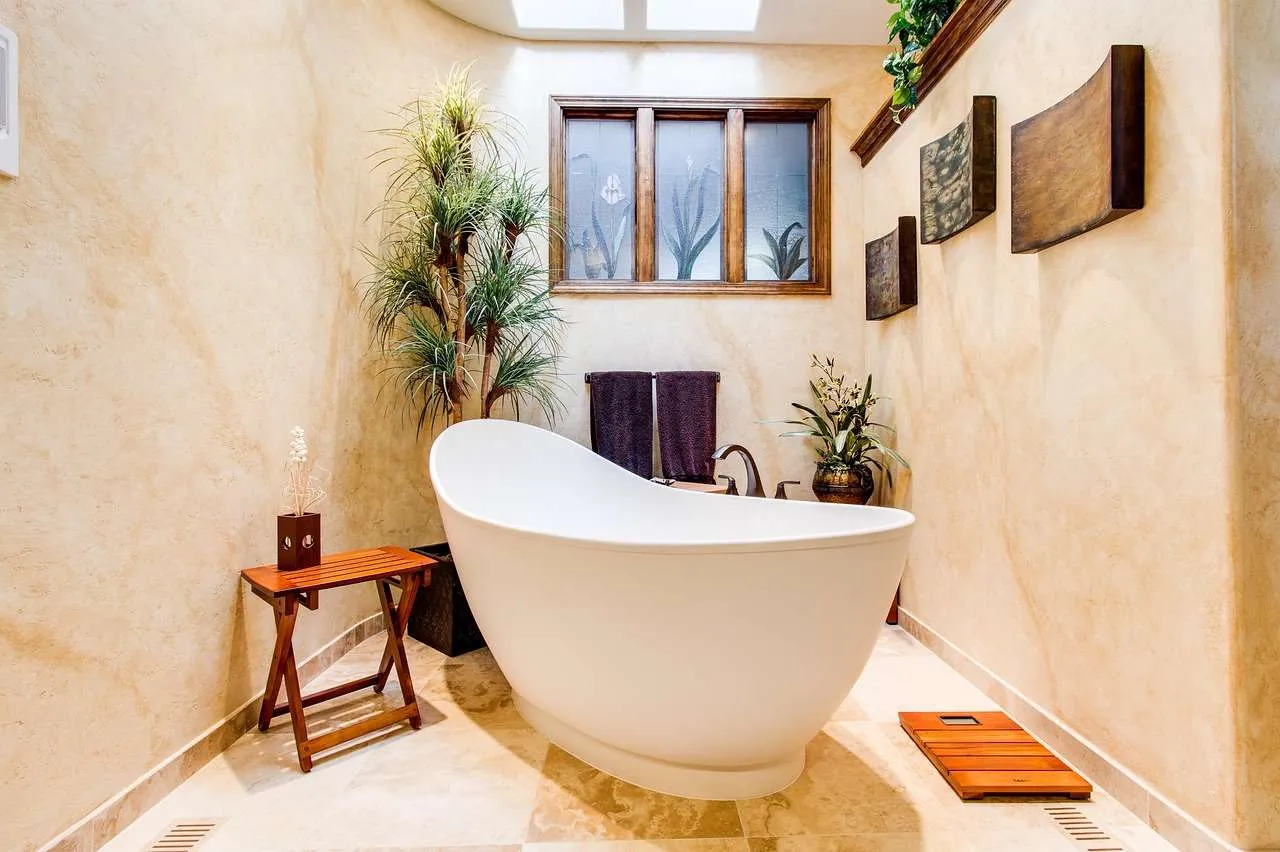
Designing a small bathroom presents a unique set of challenges, but with the right approach, compact spaces can feel open, organized, and serene. This guide on small bathroom ideas delivers practical strategies for layout, storage, materials, lighting, and finishes that improve flow without compromising style.
Key principles for small bathroom ideas
Start with a clear plan focused on reducing visual clutter, increasing usable floor area, and enhancing light. For small spaces, every design decision should earn its keep—whether it’s a compact fixture, a built-in storage niche, or a reflective surface that bounces light around the room.
- Prioritize vertical storage to free floor space
- Choose clean lines and simple profiles to avoid visual heaviness
- Use reflective surfaces and light colors to create a sense of airiness
- Invest in moisture-resistant materials and efficient lighting
Layout optimization
A well-planned layout is the cornerstone of small bathroom ideas. Favor wall-hung or floating fixtures to reveal more floor area and improve cleaning access. If possible, a pocket door or a barn-style door can reclaim space that a traditional swing door would otherwise consume.
- Wall-hung vanity and toilet visually expand the floor line
- Replace a traditional door with a sliding pocket door when feasible
- Prefer a shower over a tub or a compact tub/shower combo
Color and surfaces
Color choice influences perceived size. Light neutrals, soft whites, and cool grays reflect more light and pair well with glossy or polished finishes. Large-format tiles reduce grout lines, while continuous surface countertops and shower surrounds create an uninterrupted look that feels bigger.
Storage solutions
Clever storage is the heart of small bathroom ideas. Built-in niches in the shower, recessed medicine cabinets, and tall slim storage units keep essentials at hand without crowding surfaces. Consider double-duty furnishings, such as a vanity with integrated drawers and a mirror with built-in lighting.
Fixtures and fittings
Compact fixtures maximize usable space without sacrificing comfort. Look for a low-profile toilet, a 32" x 60" or smaller shower, and a compact vanity. Frameless glass shower doors help maintain sightlines, while concealed plumbing and wall panels reduce visual clutter and simplify cleaning.
Lighting and mirrors
Layered lighting is essential in small bathrooms. Combine ambient ceiling lights with task lighting around mirrors and subtle accent lighting in the shower. A large mirror or a mirrored wall can visually double the space, while LED strips under cabinets provide gentle, energy-efficient illumination that enhances safety.
Materials and finishes
Choose moisture-resistant materials that withstand humidity and are easy to clean. Porcelain or ceramic tiles, quartz countertops, and solid-surface vanity tops offer durability in tight spaces. Matte finishes hide water spots, while glass and high-gloss surfaces reflect light for a brighter room.
Expert tips for reliable results
Guidance from seasoned designers emphasizes accurate measuring, respecting plumbing and waterproofing requirements, and planning for ventilation. For EEAT, work with licensed professionals for essential work such as waterproofing, plumbing, and electrical updates to ensure safety and longevity.
Budgeting and planning
Plan in three phases: assessment, design, and renovation. Start with a clear budget and a prioritized list of high-impact changes, like improved ventilation, better lighting, and smart storage. Then allocate a contingency fund for unexpected issues, which are common in bathroom projects.
Quick design ideas to implement today
Start with a few high-impact moves: install a wall-hung vanity, replace bulky shelving with recessed niches, choose a frameless shower enclosure, and opt for a large-format tile to reduce grout maintenance. Small updates like new hardware, a brighter LED fixture, and a strategically placed mirror can dramatically alter the space without a full renovation.
Comparison table: layout and fixture options
| Option | Benefits | Best For |
|---|---|---|
| Wall-mounted vanity | Increases visible floor space; easier cleaning | Small bathrooms with shallow depth |
| Sliding pocket door | No swing clearance; maximizes entry width | Narrow layouts or tight hallways |
| Frameless glass shower | Opens sight lines; feels larger; easy to clean | Shower enclosures in compact rooms |
| Large-format wall tiles | Fewer grout lines; a smoother, continuous look | Any small bathroom wanting fewer joints |
Conclusion
Summary: Small bathroom ideas revolve around maximizing space with smart layouts, wall-hung fixtures, light colors, reflective surfaces, and clever storage. Layered lighting and quality materials elevate function and aesthetics, while professional input ensures durability and compliance. With thoughtful choices, a compact bathroom can feel airy, organized, and wonderfully livable.